Preparing Your Workplace for a Mock OSHA Audit
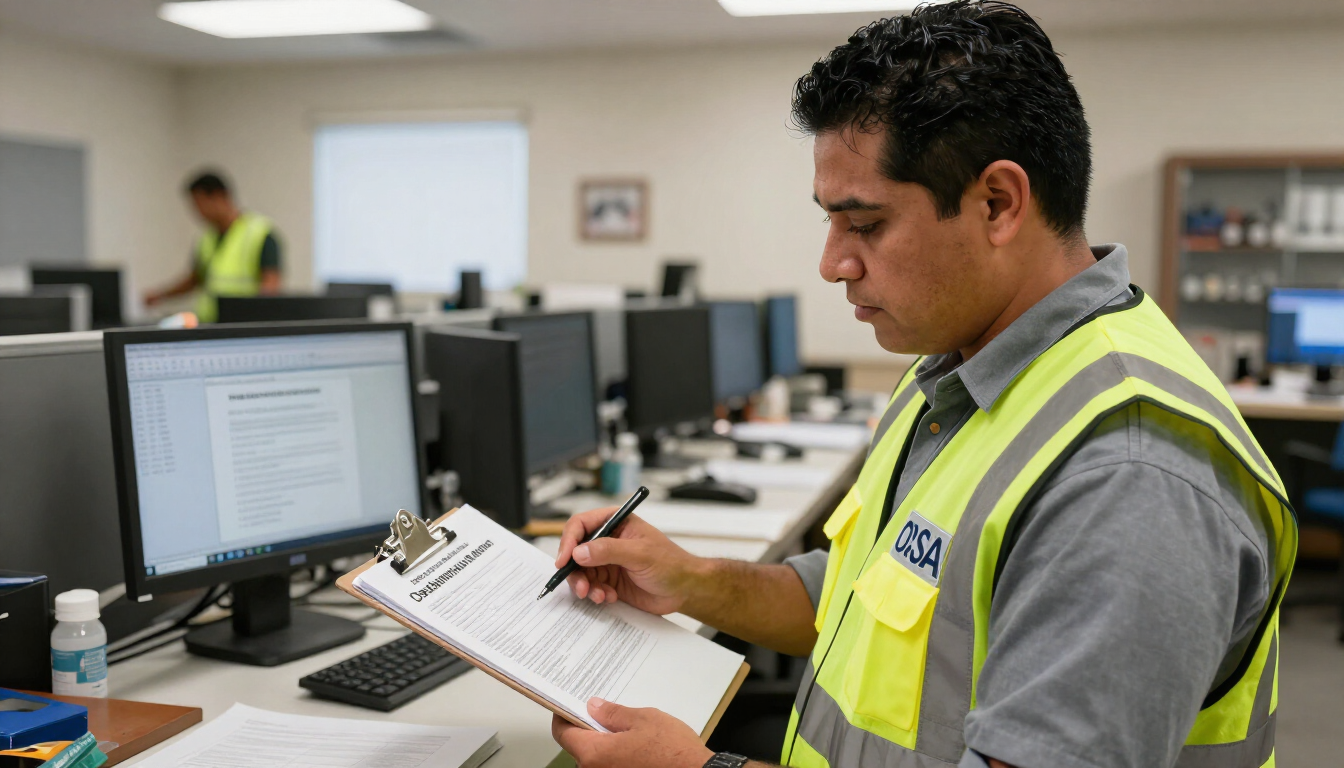
An unexpected visit from the Occupational Safety and Health Administration (OSHA) can be a stressful experience for any business. Fines for non-compliance can be exorbitant, and the resulting damage to a company's reputation can be long-lasting. One of the most effective ways to ensure your organization is ready for the real thing is to conduct a mock OSHA audit. A mock audit simulates an actual OSHA inspection, helping you identify vulnerabilities, correct hazards, and train your staff on how to handle an inspector's visit. Here is a practical guide on how to prepare your workplace for a mock OSHA audit.
Documentation Review
OSHA inspectors almost always begin their visits by reviewing a company's safety documentation. During a mock audit, your paperwork will be scrutinized just as rigorously. Ensuring your records are organized, up-to-date, and easily accessible is the first critical step in preparation.
Key documents to review include:
- OSHA 300 Logs: Ensure your logs of work-related injuries and illnesses are current and accurately filled out. Remember that the OSHA 300A summary must be posted annually from February 1 to April 30.
- Written Safety Programs: Review your Hazard Communication (HazCom) program, Lockout/Tagout procedures, Bloodborne Pathogens plan, and Emergency Action Plan. These must be site-specific and regularly updated.
- Safety Data Sheets (SDS): Verify that you have an SDS for every hazardous chemical on site and that employees know how to access them.
- Training Records: Maintain detailed logs of all safety training provided to employees, including dates, topics covered, and attendee signatures.
Workplace Inspection Checklist
The core of any OSHA audit is the physical walkthrough of the facility. To prepare for the mock audit, conduct your own preliminary inspection using a full checklist built for your industry.
Focus on high-priority areas such as:
- Housekeeping: Are walkways clear of trip hazards? Is waste disposed of properly?
- Machine Guarding: Are all moving parts, such as belts, gears, and blades, properly guarded to prevent contact?
- Electrical Safety: Check for exposed wiring, overloaded outlets, and proper use of extension cords. Ensure electrical panels have clear access (at least 36 inches of clearance).
- Fire Safety: Are fire extinguishers fully charged, inspected monthly, and easily accessible? Are exit routes clearly marked and unobstructed?
- Personal Protective Equipment (PPE): Are employees wearing the required PPE (e.g., safety glasses, hard hats, steel-toed boots) correctly?
Employee Training Verification
During an actual inspection, OSHA compliance officers will interview employees privately to verify that they understand the safety training they have received. A mock audit should replicate this process.
Prepare your employees by ensuring they know:
- How to report a hazard or injury.
- Where to find Safety Data Sheets (SDS).
- The specific hazards associated with their daily tasks and how to protect themselves.
- What to do in the event of an emergency (e.g., fire, chemical spill).
It is also crucial to train your management and reception staff on how to greet an OSHA inspector, verify their credentials, and notify the designated safety representative immediately upon their arrival.
Hazard Assessment and Corrective Action Plans
The primary goal of a mock audit is to find problems before OSHA does. When the mock auditor (whether an internal safety manager or a third-party consultant) identifies hazards or compliance gaps, it is imperative to document them thoroughly.
Develop a Corrective Action Plan (CAP) for every identified issue. The CAP should detail:
- The specific hazard or violation.
- The steps required to correct it.
- The person responsible for implementing the correction.
- A strict deadline for completion.
Demonstrating a proactive approach to identifying and fixing hazards shows a commitment to safety, which can favorably influence an actual OSHA inspector's assessment.
Post-Audit Follow-up
A mock audit is only valuable if the findings lead to tangible improvements. Once the audit is complete and the Corrective Action Plans are in place, follow-up is essential.
Schedule regular check-ins to ensure that all corrective actions have been completed by their deadlines. Use the findings from the mock audit to update your written safety programs and adjust your employee training curriculum. If a specific hazard was widely misunderstood by the workforce, it indicates a need for immediate retraining.
Preparing for a mock OSHA audit takes diligence, organization, and a real commitment to workplace safety. By reviewing your documentation, running thorough physical inspections, and making sure employees are well-trained, you can turn a stressful regulatory inspection into a chance to show off your strong safety culture.